Petroleum{ زبان اصلی1 }
Petroleumthe temperature t is in Celsius and d is the specific gravity at 15 °C.[15]
[edit] Formation

 Structure of vanadium porphyrin compound extracted from petroleum by Alfred E. Treibs, father of organic geochemistry. Treibs noted the close structural similarity of this molecule and chlorophyll a.

According to generally accepted theory, petroleum is derived from ancient biomass.[16] It is a fossil fuel derived from ancient fossilized organic materials. The theory was initially based on the isolation of molecules from petroleum that closely resemble known biomolecules.
More specifically, crude oil and natural gas are products of heating of ancient organic materials (i.e. kerogen) over geological time. Formation of petroleum occurs from hydrocarbon pyrolysis, in a variety of mostly endothermic reactions at high temperature and/or pressure.[17] Today's oil formed from the preserved remains of prehistoric zooplankton and algae, which had settled to a sea or lake bottom in large quantities under anoxic conditions (the remains of prehistoric terrestrial plants, on the other hand, tended to form coal). Over geological time the organic matter mixed with mud, and was buried under heavy layers of sediment resulting in high levels of heat and pressure (diagenesis). This process caused the organic matter to change, first into a waxy material known as kerogen, which is found in various oil shales around the world, and then with more heat into liquid and gaseous hydrocarbons via a process known as catagenesis.
There were certain warm nutrient-rich environments such as the Gulf of Mexico and the ancient Tethys Sea where the large amounts of organic material falling to the ocean floor exceeded the rate at which it could decompose. This resulted in large masses of organic material being buried under subsequent deposits such as shale formed from mud. This massive organic deposit later became heated and transformed under pressure into oil.[18]
Geologists often refer to the temperature range in which oil forms as an "oil window"[19]—below the minimum temperature oil remains trapped in the form of kerogen, and above the maximum temperature the oil is converted to natural gas through the process of thermal cracking. Sometimes, oil which is formed at extreme depths may migrate and become trapped at much shallower depths than where it was formed. The Athabasca Oil Sands is one example of this.
[edit] Abiogenic origin
 |
An editor has expressed a concern that this section lends undue weight to certain ideas relative to the section as a whole. Please help to discuss and resolve the dispute before removing this message. (January 2011) |
A small number of geologists adhere to the abiogenic petroleum origin hypothesis and maintain that hydrocarbons of purely inorganic origin exist within Earth's interior. Chemists Marcellin Berthelot and Dmitri Mendeleev, as well as astronomer Thomas Gold championed the theory in the Western world by supporting the work done by Nikolai Kudryavtsev and Vladimir Porfiriev in the 1950s. It is currently supported primarily by Jack F. Kenney, Vladilen Krayushkin, and Vladimir Kutcherov.[20][21]
The abiogenic origin hypothesis has not yet been ruled out, but it has little support among modern petroleum geologists.[22] Its advocates consider that it is "still an open question"[21] Extensive research into the chemical structure of kerogen has identified algae as the primary source of oil. The abiogenic origin hypothesis fails to explain the presence of these markers in kerogen and oil, as well as failing to explain how inorganic origin could be achieved at temperatures and pressures sufficient to convert kerogen to graphite. It has not been successfully used in uncovering oil deposits by geologists, as the hypothesis lacks any mechanism for determining where the process may occur.[23] More recently scientists at the Carnegie Institution for Science have found that ethane and heavier hydrocarbons can be synthesized under conditions of the upper mantle.[24]
[edit] Crude oil
[edit] Crude oil reservoirs
.svg)
Three conditions must be present for oil reservoirs to form: a source rock rich in hydrocarbon material buried deep enough for subterranean heat to cook it into oil; a porous and permeable reservoir rock for it to accumulate in; and a cap rock (seal) or other mechanism that prevents it from escaping to the surface. Within these reservoirs, fluids will typically organize themselves like a three-layer cake with a layer of water below the oil layer and a layer of gas above it, although the different layers vary in size between reservoirs. Because most hydrocarbons are lighter than rock or water, they often migrate upward through adjacent rock layers until either reaching the surface or becoming trapped within porous rocks (known as reservoirs) by impermeable rocks above. However, the process is influenced by underground water flows, causing oil to migrate hundreds of kilometres horizontally or even short distances downward before becoming trapped in a reservoir. When hydrocarbons are concentrated in a trap, an oil field forms, from which the liquid can be extracted by drilling and pumping.
The reactions that produce oil and natural gas are often modeled as first order breakdown reactions, where hydrocarbons are broken down to oil and natural gas by a set of parallel reactions, and oil eventually breaks down to natural gas by another set of reactions. The latter set is regularly used in petrochemical plants and oil refineries.
Wells are drilled into oil reservoirs to extract the crude oil. "Natural lift" production methods that rely on the natural reservoir pressure to force the oil to the surface are usually sufficient for a while after reservoirs are first tapped. In some reservoirs, such as in the Middle East, the natural pressure is sufficient over a long time. The natural pressure in many reservoirs, however, eventually dissipates. Then the oil must be pumped out using “artificial lift” created by mechanical pumps powered by gas or electricity. Over time, these "primary" methods become less effective and "secondary" production methods may be used. A common secondary method is “waterflood” or injection of water into the reservoir to increase pressure and force the oil to the drilled shaft or "wellbore." Eventually "tertiary" or "enhanced" oil recovery methods may be used to increase the oil's flow characteristics by injecting steam, carbon dioxide and other gases or chemicals into the reservoir. In the United States, primary production methods account for less than 40% of the oil produced on a daily basis, secondary methods account for about half, and tertiary recovery the remaining 10%. Extracting oil (or “bitumen”) from oil/tar sand and oil shale deposits requires mining the sand or shale and heating it in a vessel or retort, or using “in-situ” methods of injecting heated liquids into the deposit and then pumping out the oil-saturated liquid.
[edit] Unconventional oil reservoirs
Oil-eating bacteria biodegrades oil that has escaped to the surface. Oil sands are reservoirs of partially biodegraded oil still in the process of escaping and being biodegraded, but they contain so much migrating oil that, although most of it has escaped, vast amounts are still present—more than can be found in conventional oil reservoirs. The lighter fractions of the crude oil are destroyed first, resulting in reservoirs containing an extremely heavy form of crude oil, called crude bitumen in Canada, or extra-heavy crude oil in Venezuela. These two countries have the world's largest deposits of oil sands.
On the other hand, oil shales are source rocks that have not been exposed to heat or pressure long enough to convert their trapped hydrocarbons into crude oil. Technically speaking, oil shales are not really shales and do not really contain oil, but are usually relatively hard rocks called marls containing a waxy substance called kerogen. The kerogen trapped in the rock can be converted into crude oil using heat and pressure to simulate natural processes. The method has been known for centuries and was patented in 1694 under British Crown Patent No. 330 covering, "A way to extract and make great quantityes of pitch, tarr, and oyle out of a sort of stone." Although oil shales are found in many countries, the United States has the world's largest deposits.[25]
[edit] Classification

The petroleum industry generally classifies crude oil by the geographic location it is produced in (e.g. West Texas Intermediate, Brent, or Oman), its




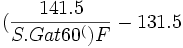 = درجه A.P.I امریکائی
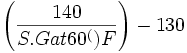 = درجه Baume اروپایی
 ) مینامند خطی كه از مركز آینه و وسط آینه (نقطه
  ) میگذرد ، محور اصلی آینه نامیده میشود.

 در نقطه
  بر سطح آینه عمود خواهد بود.
 ، كه محور آینه،
  ، موازی است و در
  با توجه به شكل نتیجه میگیریم كه مثلث
  متساویالساقین است، یعنی
 و همچنین با توجه به این نكته كه
  (
( خیلی كوچكتر از
  )، در این صورت زاویههای
  و
و  كوچكاند، و
  . تمام این پرتوهای موازی با محور آینه، پس از بازتاب به نظر میرسد كه از نقطه
  یعنی كانون آینه كه در وسط آینه و مركز انحنای آن قرار دارد تابیده میشوند. اگر شعاع انحنای آینه را
  بگیریم داریم:
 فاصله كانونی آینه است.
 را در یك آینه محدب رسم میكنیم.
 و فاصلهی تصویر تا مركز آینه
  و فاصله كانونی آینه
 را اضافه كردهایم. این پرتو از نقطه
  میتابد چون آینه در نقطه
  عمود است قانون بازتاب ایجاب میكند
 و
و  با هم برابر باشند. چون در مثلث
  و
و قائمالزاویهاند و دو زاویه
  و
و
 و
و  نشانه ارتفاعهای شیء و تصویرند.
 و مثلث
 را در نظر میگیریم، كه خط
  خطی است كه از
  عمود بر
  است لذا این دو مثلث متشابه نیز میباشند، لذا خواهیم داشت:
 كه در مقایسه با فاصله كانونی
 كوچك است، چشم پوشیدهایم. از تركیب دو معادله بالا میرسیم به:
 و
و  ، اندازهشان در نظر گرفته شده است، معمولاً این رابطه را به صورت كلی
 برود،
برود، میشود. و با نزدیك شدن
  عبارت است از نسبت ارتفاع تصویر به شیء. یعنی

 ، امتداد پرتو بازتاب
  و
و  قائمالزاویهاند، لذا این دو مثلث متشابهاند، پس:

 یك عدد مثبت میباشد و لذا اگر مقادیر


